MANILA, Philippines – Nadiskubre ng mga grupo ng scientist mula sa University of the Philippines (UP) Diliman ang key protein na nag-aambag sa paglala ng prostate cancer sa pinaka-agresibong uri nito na neuroendocrine prostate cancer (NEPC).
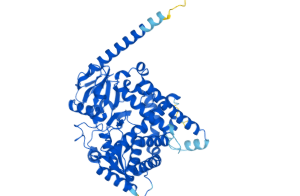
Nadiskubre ng mga siyentipiko mula sa UP Diliman College of Science National Institute of Molecular Biology and Biotechnology discovered ang protein na tinatawag na CYB561 na nag-aambag sa progression, growth at survival ng agresibo, treatment-resistant prostate cancer cells.
“CYB561 has a dual role in driving cancer,” ayon kay Dr. Pia Bagamasbad, miyembro ng five-person research team, na sumuri sa mga datos mula sa prostate tumors at experimental findings mula sa human cell culture lines.
“It activates specific growth factors and manages iron levels, both of which appear to help the cancer thrive and grow even when deprived of the male hormones it usually depends on,” dagdag ni Bagamasbad.
Nang mapababa nila ang CYB561, nagging mas sensitibo ang prostate cancer cells sa enzalutamide, karaniwang androgen deprivation therapy (ADT) drug, na nagpapakitang ang naturang protein ay nagbibigay ng resistance sa mga gamut.
Ayon sa World Health Organization, noong 2022 ay nasa ikatlo ang prostate cancer sa karaniwang uri ng cancer sa mga lalaking Filipino sa 9,764 kaso na na-diagnose sa nasabing taon.
Kung ito ay lumala sa NEPC, ito ay nagiging resistant sa ADT bilang gamot.
Natuklasan din ng mga eksperto na “CYB561 converts iron into a more active form essential for various cell processes, including supporting the growth of aggressive forms of cancer.”
“As such, the cancer cells require higher iron levels, and CYB561 seems to help maintain the needed active iron concentration,” dagdag pa.
Sa kabila nito, sinabi ni Bagamasbad at team nito na “knocking down the protein lowered active iron levels in NEPC cells, delayed the progression of CRPC to NEPC, and dampened the highly aggressive behavior of NEPC cells.”
Plano ng mga eksperto na magsagawa pa ng maraming mga experiment sa mga hayop at primary tumor samples.
Aaralin din nila kung may mas mataas ba na risk ng pagkakaroon ng castration-resistant prostate cancer at NEPC ang mga Filipino at kung ang CYB561 ay nagdaragdag sa aggressiveness ng naturang sakit.
“More importantly, we need to identify other key players involved and establish a drug screening platform that can mechanistically target CYB561 activity,” ani Bagamasbad. RNT/JGC