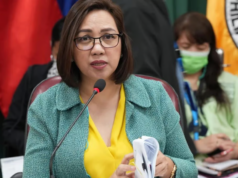
MANILA, Philippines – Ipinagtanggol ni House Deputy Speaker Janette Garin ng Iloilo ang realignment ng Kamara sa P9 bilyong proposed 2027 budget ng Department of Health.
Ayon kay Garin, ito ay dahil sa mababang utilization ng existing fund ng ahensya.
Sa isang news forum, sinabi nito na inilipat ng Kamara ang P5 bilyon mula sa immunization program ng DOH at P4 bilyon mula sa health facilities improvement program patungo sa medical assistance program ng ahensya.
Bagamat tinatanggap ang anumang kritisismo, sinabi ni Garin na dapat ding maunawaan ng publiko ang dahilan sa likod ng realignments.
“We welcome that. We understand that, and it is good to hear their voices. However, it is also good to answer and correct misunderstandings so that malice is not attributed to these good programs,” ani Garin.
Sa nagdaang budget hearings noong Setyembre at Oktubre, nagulat ang mga mambabatas sa mababang spending rate ng DOH lalo na sa mga bakuna.
“Moving forward to this year, when the budget hearing took place, we were surprised to see that the utilization was very low. For instance, the flu vaccine budget was untouched. The budget for childhood pneumonia vaccines was unused. The 2025 funds have not been used yet, and the 2026 funds remain unused as well,” sinabi ni Garin.
Idinagdag pa niya na kamakailan lamang nang pasimulan ni Health Secretary Edwin Mercado ang procurement process gamit ang 2025 at 2026 immunization funds.
“In other words, for what they bought over the past weeks and will continue to buy, the delivery will actually be at the end of this year and will spill over to the whole of 2027,” sinabi ni Garin.
Inalala din niya ang kaparehong isyu noong siya ay health secretary pa at sinabing P3 bilyon ang natira mula sa discontinued 2017 dengue immunization program na hindi nailipat sa ibang inoculation efforts.
Dahil sa kasalukuyang procurement backlog, sinabi ni Garin na inilipat ng Kamara ang P5 bilyon sa medical assistance program bilang tugon sa tumataas na healthcare costs.
“Why? More people are getting sick, and healthcare expenses are rising. That is why it is good for the government to fund this, because it is not just for the sick. It also allows government and private facilities to cover their operational costs.”
Para naman sa health facilities improvement program, sinabi ni Garin na iniulat ng DOH na 11% lamang ng 2025 funds ang nagamit noong nakaraang quarter dahilan para matira ang bilyon-bilyong piso ng pondo.
Isinisi ni Garin ang delay sa bureaucratic red tape lalo na ang “ping-pong” approval process.
“The paperwork goes back and forth. The local government unit submits it to the regional office, which sends it back and forth, then it is brought to the central office and sent back again. This has already been brought to the attention of our health secretary, and they promised to find a solution,” ani Garin.
“So if you talk about an 11-percent budget utilization for health facilities, how can you say that is helping public health?” dagdag nito.
“Transferring the funds to the medical assistance program is actually hitting two birds with one stone. The funds are used to pay for patients’ hospital bills. In turn, the hospitals can use those funds to hire more staff, buy additional equipment, repair damaged facilities, and even construct new buildings.” RNT/JGC