MANILA, Philippines – TININTAHAN ng Department of Agriculture (DA) at Japan International Cooperation Agency (JICA) ang ¥1.7-billion grant agreement, tinatayang nagkakahalaga ng US$11.5 million o ₱640 million—para magtatag ng isang modernong rice processing system sa Isabela.
Ayon sa DA, layon ng proyekto na palakasin ang buffer-stocking capability ng National Food Authority sa lalawigan.
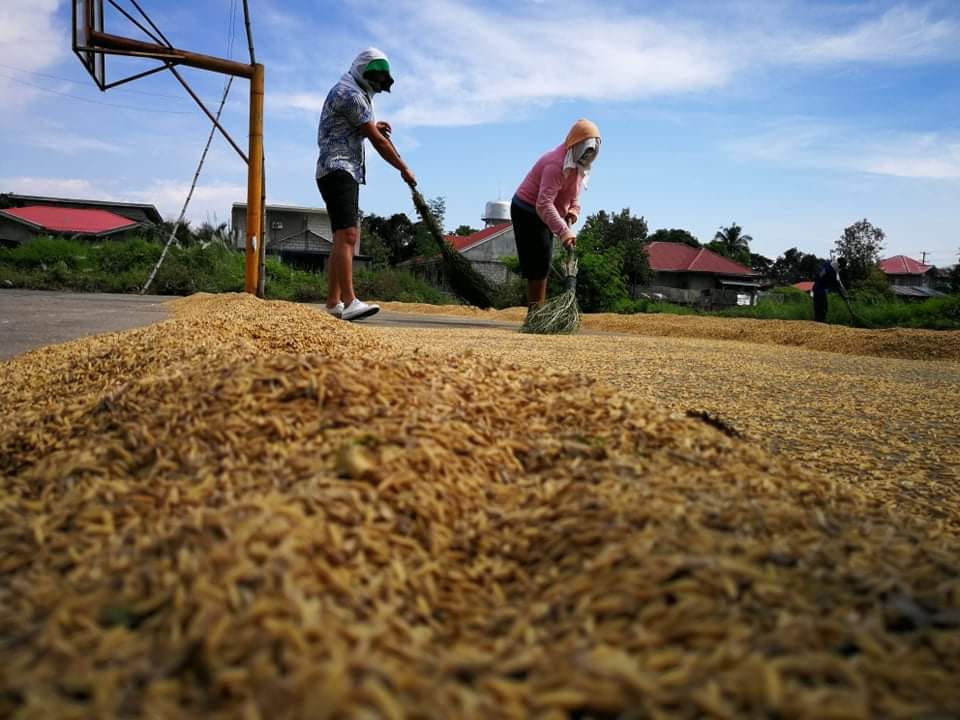
Popondohan ng kasunduan ang high-capacity mechanical grain dryers, isang multi-stage rice mill, at grain silos na dinisenyo para hawakan ang mas malaking procurement volumes ng mas episyente.
“We are strengthening NFA’s capacity to handle larger volumes of palay, reduce postharvest losses, improve milling recovery, and deliver higher-quality rice to our people,” ayon kay Agriculture Secretary Francisco Tiu Laurel Jr. sa signing ceremonies sa Mababang Kapulungan ng Kongreso.
Idinagdag pa ni Tiu Laurel na ang grant “reaffirms our shared commitment to strengthen the Philippine agriculture sector and showcases the strong and enduring partnership between the Philippines and Japan.”
Maliban sa imprastraktura, imnaasahan na ang proyekto ay makalilikha ng ‘direct income benefits’ para sa 5,000 rice farmers sa Cauayan City at kalapit na munisipalidad sa pamamagitan ng pagapapalawig ng kanilang partisipasyon sa NFA procurement programs.
“With increased drying and milling capacity, the agency will be able to purchase more palay at fair prices during harvest seasons, giving farmers a reliable institutional buyer,” ang sinabi ng departamento.
“The new processing hub is also expected to bolster year-round buffer stocks, reduce dependence on private drying and milling services, and help stabilize rice prices, particularly during lean months,” ang sinabi pa rin ng DA.
“Ultimately, this translates to a more stable supply for consumers and better income for our farmers,” ang winika naman ni Tiu Laurel.
“The investment targets a long-standing weak link in the rice supply chain. Government studies estimate that about 16% of rice output is lost during postharvest handling, with drying and milling accounting for the largest share,” aniya pa rin. KRIS JOSE