Home HOME BANNER STORY San Beda Law Dean: 16-vote threshold ‘di fixed, pwedeng baguhin ng Senado

San Beda Law Dean: 16-vote threshold ‘di fixed, pwedeng baguhin ng Senado

1
0

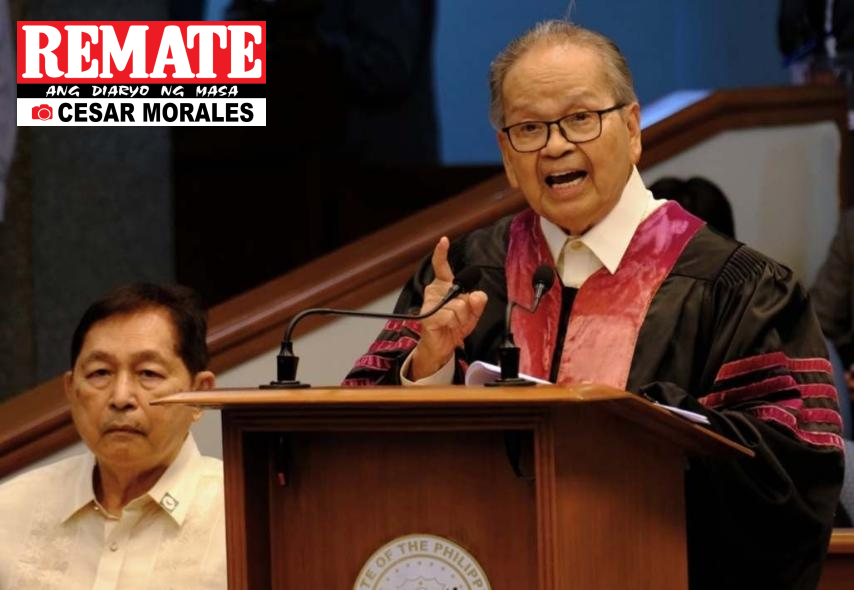
MANILA, Philippines – Malaki ang paniniwala ni San Beda University Graduate School of Law Dean Fr. Ranhilio Aquino na hindi dapat ituring na fixed ang 16-vote threshold upang ma-convict si Vice President Sara Duterte sa impeachment trial, at tanging senador na aktwal na lumahok sa paglilitis ang dapat bilangin.

Sa isang memorandum of law na may petsang Setyembre 7 at isinumite sa Senate impeachment court, sinabi ni Aquino na ang nakasaad sa Konstitusiyon na “concurrence of two-thirds of all the Members of the Senate” ay dapat basahin kasabay ng probisyon na nagbibigay sa Senado ng “sole power to try and decide all cases of impeachment.”

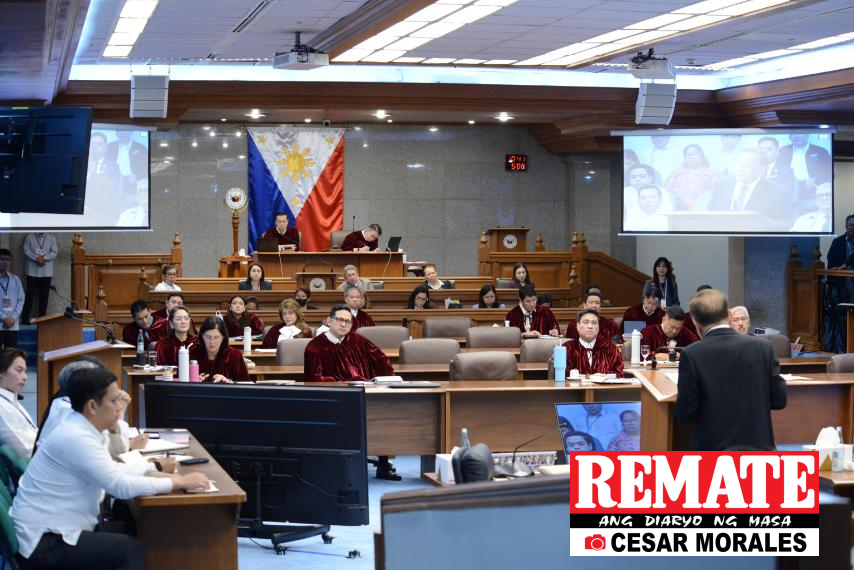
Isinumite ang memorandum ni Aquino habang nirerebyu ng Senate impeachment court kung dapat bang manatili ang 16-vote threshold na itinakda ni Presiding Officer Francis “Chiz” Escudero sa kabila ng pagliban ng ilang senador sa proceedings, matapos ang pag-question ni Senator-Judge Erwin Tulfo.

Dinididig ngayong Miyerkules, ang mga amici curiae o friends of the court para gabayan ang mga senator-judge bago sila magpasya kung babaligtarin ang ruling.

Kabilang sa amici curiae sina Retired Chief Justices Artemio Panganiban at Reynato Puno, retired Associate Justice Adolfo Azcuna, at dating Chief Justice Hilario Davide Jr., kung saan si Davide ay nagsumite ng legal memorandum.
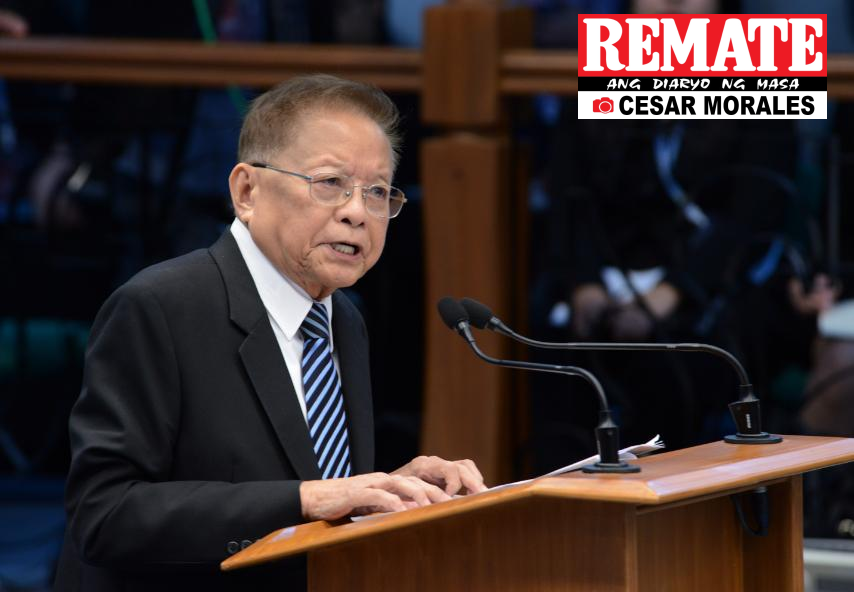
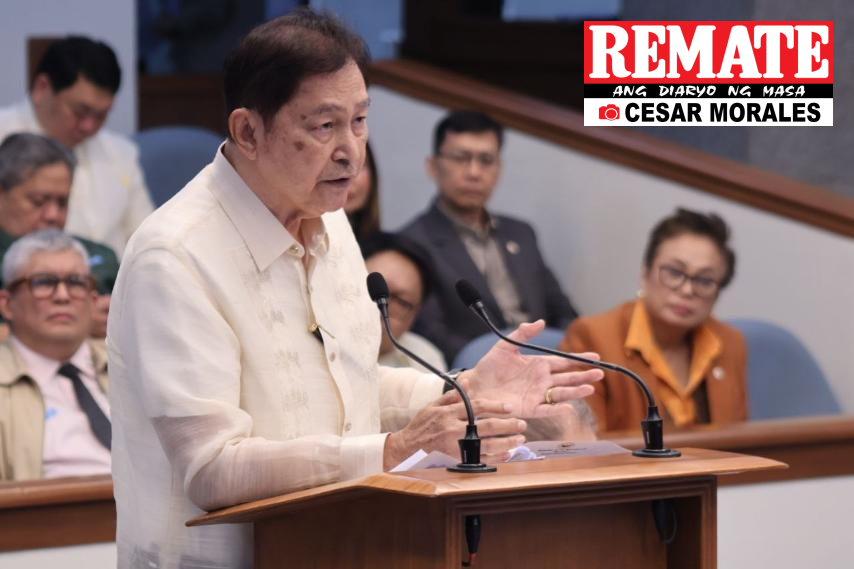
Bagama’t hindi kabilang si Aquino sa mga ito, sinabi ni Escudero na isasaalang-alang ang kanyang argumento.

Bibigyan din ng kopya ng position paper ni Aquino ang mga senator-judge, defense, at prosecution team para sa kanilang pag-aaral, at maaaring magamit ito ng dalawang panig sa paghaharap ng kani-kanilang argumento sa threshold issue sa Setyembre 23, at gabay na rin sa mga senator-judge sa pagboto sa usapin.

Sa kanyang position paper, iginiit din ni Aquino na ang Senado mismo ang may awtoridad na bigyang-interpretasyon ang pariralang “two-thirds of all its members” dahil malinaw na ibinibigay ng Konstitusyon ang eksklusibong kapangyarihan sa impeachment trials.

Tinanggihan din ng dean ang mungkahing ipaubaya na lang sa Korte Suprema ang pagresolba sa isyu, gaya ng naunang iminungkahi ng ilang senador.

“The Senate shall have the sole power to try and decide all cases of impeachment,” sipi ni Aquino mula sa Article XI, Section 3(6) ng Konstitusyon. Aniya, ang probisyong ito ay nagbibigay sa Senado hindi lamang ng kapangyarihan kundi obligasyon din na tukuyin kung paano dapat ilapat ang constitutional voting requirement sa impeachment proceeding.

Binanggit din ni Aquino ang impeachment trial rules ng Senado, kung saan bumoboto ang mga senador sa bawat article of impeachment matapos pakinggan ang kaso at lumahok sa deliberasyon.

Sa ilalim ng rules, tinatawag ang bawat senador sa pangalan at sumasagot ng “guilty or not guilty.” Maaari ring ipaliwanag ng mga senador ang kanilang boto.

“What is clearly presumed therefore is that the Senator voting is in the session hall of the Senate and took part in the deliberations thereof,” ani Aquino.

“There can be nothing to explain if the senator concerned was never part of the deliberations,” dagdag niya.

Kinuwestiyon niya kung makatarungan bang makilahok sa final judgement ang mga senador na hindi dumalo sa trial.

“If sixteen were a fixed number for conviction, then the three absent senators – Mr. Bato de la Rosa, Mr. Jinggoy Estrada, Mr. Rodante Marcoleta and, lately, Ms. Loren Legarda – would be allowed to participate in a judgement in proceedings of which they were never part or, in the case of Ms. Legarda, only partially,” sulat ni Aquino.

Ayon sa kanya, ang isang senador na gumaganap bilang hukom ay dapat nakapakinig sa mga testigo, nakapag-consider ng ebidensya at argumento, at lumahok sa deliberasyon bago bumoto.

“And what that means is that for one to be able to render a judgment, or to cast a vote in a collegial body, one must have listened to the witnesses, observed their demeanor, paid heed to the arguments of counsel, perused documentary exhibits and participated in the deliberations leading to judgment.”

Dagdag pa niya, kung mananatili ang fixed na 16-vote threshold, epektibong pinapayagan ang mga absent na senador na makatulong sa acquittal kahit hindi sila lumahok sa paglilitis.

“Every absent member would, in effect, be casting a vote of acquittal,” ani Aquino, na tinawag itong hindi patas.

“The worst thing that can ever be said of any process – particularly of one partaking of the nature of a judicial process – would be to say that the result went one way rather than the way it should have gone because some of the judges were not present!” pagtatapos niya. Ernie Reyes

LEAVE A REPLY

Please enter your comment!
Please enter your name here