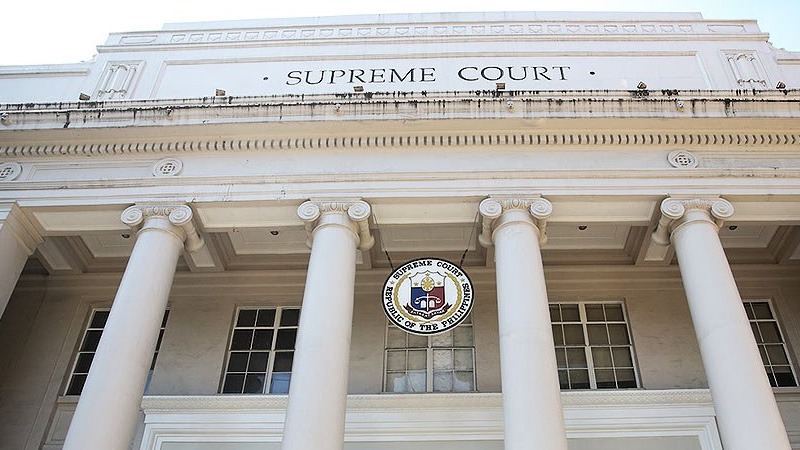
MANILA, Philippines – Inilabas na ng Supreme Court (SC) ang procedural rules na sasakop at magiging batayan sa lahat ng mga naghahain ng petitions at applications kaugnay sa Anti-Terrorism Act of 2020 (ATA) at mga batas na may kaugnayan dito.
Ayon sa SC magiging epektibo ang Rules on the Anti-Terrorism Act of 2020 and Related Laws (A.M. No. 22-02-19-SC) sa Enero 15, 2024.
Sakop ng panuntunan ang mga petisyon at applications hinggil sa detentions without judicial warrants of arrest, surveillance orders, freeze orders, restrictions on travel, designations at proscriptions.
Nakasaad sa panuntunan ang mga pamamaraan na maaaring sundin ng mga humihingi ng saklolo sa Korte matapos bansagan bilang terorista ng Anti-Terrorism Council (ATC) at pagsasailim sa kanilang ari-arian sa freeze order ng Anti-Money Laundering Council (AMLC) matapos madeklarang terorista.
Nakasaad sa rules na dapat kumuha muna ang law enforcement agent o military personnel ng written surveillance order mula sa Court of Appeals (CA) para sa palihim na pag-wiretap, intercept, screen, read, surveil, record sa anumang paraan ang private communications, conversation, o messages ng mga hinihinalang terorista o terrorist organization.
“The Rules likewise sets the grounds for the issuance of a surveillance order as well as its content and effectivity. Under the Rules, the ATC may, in its application for a surveillance order, pray for the issuance of a data preservation order to compel any service provider to preserve all existing data pertaining to subscriber information, traffic data, and communication content data of any person or entity subject of the surveillance.”
Batay sa panuntunan, ang tao o grupo na hinihinalang terorista ay maaaring arestuhin at ikulong ng walang warrant of arrest mula sa Korte.
“However, this detention cannot exceed the period provided under Article 125 of the Revised Penal Code unless authorized in writing by the ATC for a period of up to fourteen (14) calendar days and, thereafter, by a designated Regional Trial Court for a period of not more than ten (10) calendar days. Those arrested shall be informed of their constitutional rights and custodial rights under Section 30 of the ATA.”
Mahigpit ang tagubilin sa inilabas na rules ng SC na ipinagbabawal ang pagamit ng torture at anuman kalupitan, inhumane at degrading treatment habang iniimbestigahan o isinasailalim sa interrogation ang pinaghihinalaang terorista.
“The Rules likewise establishes the procedure for dealing with and handling classified evidence involving national security and state secrets. The Rules expressly provides that it shall not diminish the substantive rights of the parties provided under all existing laws and international treaties, conventions, and agreements. The parties can likewise avail of other existing remedies, such as the writs of habeas corpus, amparo, and habeas data, and appeals to the Supreme Court when appropriate.”
Nagbabala ang SC na sinumang lalabag sa inilabas na Rules ay papatawan ng parusang contempt of court sa ilalim ng Rule 71 ng Rules of Court. Teresa Tavares