MANILA, Philippines – Inilabas ng Malakanyang ang updated list ng mga investment areas at activities na hindi pinapayagan o limitado sa foreign investors.
Ito ay sinasabing kauna-unahang ginawa sa ilalim ng administrasyong Marcos.
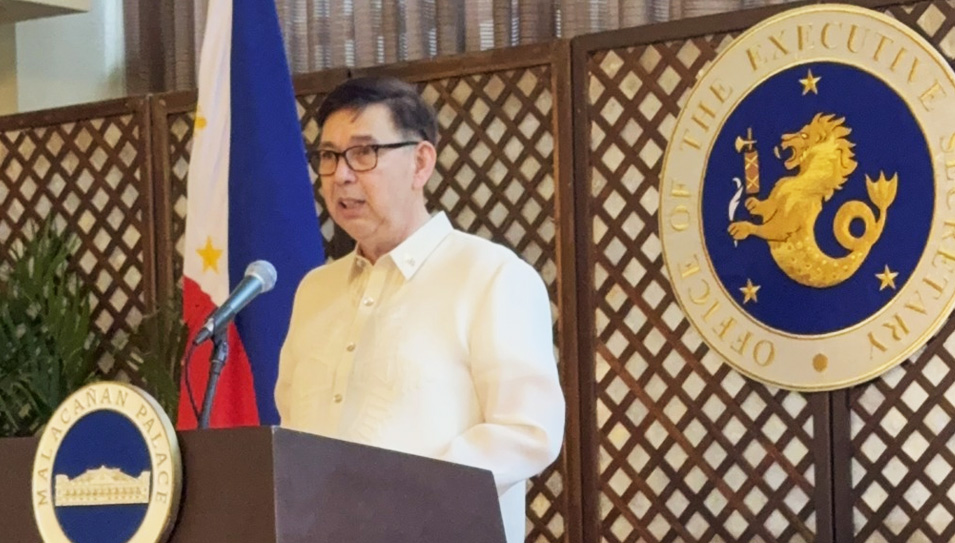
Si Executive Secretary Ralph Recto, sa pahintulot ni Pangulong Ferdinand Marcos Jr., nagpalabas ng Executive Order No. 113 nagproklama sa 13th Regular Foreign Investment Negative List (RFINL).
Magiging epektibo ang kautusan,15 araw matapos ang pagkakalathala sa Official Gazette o sa anumang pahayagan na may general circulation.
Ang 13th RFINL ay binubuo ng dalawang kategorya, foreign ownership na limitado dahil sa mandato ng Konstitusyon at specific laws at foreign ownership na regulated para sa seguridad, pangamba sa kalusugan at morals, at proteksyon ng small- and medium-scale enterprises.
Kasama sa listahan ng mga sektor at aktibidad na pinagbabawal sa mga dayuhan bilang ipinag-uutos ng 1987 Constitution ay ang”
*Mass media, maliban sa recording; at internet busines:
*Corporate practice ng propesyon sa arkitektura
*Kooperatiba maliban sa investments ng dating natural-born citizens ng Pilipinas
*Private security agency
*Small-scale mining
*Paggamit ng marine resources sa archipelagic waters, territorial sea,, at exclusive economic zone, at maging ang small-scale utilization ng natural resources sa mga ilog, lawa, bays, at lagoons
*Ownership, operation, at management ng sabungan
*Tagagawa, pagkumpuni, stockpiling, at/o distribusyon ng nuclear weapons
*Paggawa, pagkumpuni, stockpiling, at/o distribusyon ng biological, chemical, at radiological weapons at anti-personnel mines
*Paggawa at retail ng firecrackers o mga paputok at iba pang pyrotechnic devices
Sa kabilang dako, ang pinapayagan lamang para sa 25% ng foreign equity ay ang:
*Private recruitment, maging ito man ay para sa local o overseas employment
* Kontrata para sa konstruksyon ng defense-related structures
Ang hanggang 30% naman ng foreign equity ay ang:
*Advertising
Ang hanggang 40% ng foreign equity ay ang :
*Retail trade enterprise na may paid-up capital na kulang-kulang P25,000,000
*Exploration, development, at utilization ng natural resources kabilang na ang appropriation ng tubig direkta mula sa natural sources, maliban sa: kasunduan na pinasok ng Pangulo, may kinalaman sa technical o financial assistance para sa large-scale exploration, development, at utilization ng minerals, petroleum, at iba pang mineral oils; at renewable energy, gaya ng solar, wind, hydro at ocean o tidal energy, kung saan ang full foreign participation ay pinapayagan.
*Ownership o pagmamay-ari ng pribadong isla maliban sa isang natural-born citizen na nawala ang kanyang Philippine citizenship at mayroong legal capacity na pumasok sa isang kontrata sa ilalim ng batas ng Pilipinas
*Operasyon ng public utilities
*Educational institutions maliban pa sa mga itinatatag ng religious groups at mission boards, para sa foreign diplomatic personnel at kanilang dependents, at iba ang foreign temporary residents o para sa short-term high level skills development na hindi bahagu ng pormal na education system
*Culture, production, milling, processing, at trading, maliban sa retailing ng bigas at mais, at pagkuha ng barter, pagbili, o hindi ng bigas at mais at ‘by-products thereof’
*Government procurement ng mga goods
*Government procurement ng infrastructure projects; sa mga pagkakataon na ang istraktura na itatayo ay nangangailangan ng aplikasyon ng techniques o technologies na “are not adequately possessed by Filipino entities, foreign ownership o interest ay pinapayagan ng hanggang 75%
*Government procurement ng consulting services
*Operation ng commercial fishing vessels
*Ownership ng condominium units
Ang hanggang sa 100% foreign equity naman ay ang :
“Operation and management of telecommunications in case the country of the foreign national accords reciprocity to Philippine nationals, and up to 50% foreign equity in the absence of such reciprocity “
Samantala, kabilang naman sa listahan ng investment areas at activities na limitado sa dayuhan dahil sa ‘security, defense, risk to health and morals, at protection of small- and medium-scale enterprises ay ang:
Hanggang 40% foreign equity
*Manufacture, repair, storage, and/or distribution of products and/or ingredients requiring Philippine National Police clearance
*Development, production, manufacturing, assembly, servicing or operation of “materiel” —military technology, weapons systems, arms, ammunition, etc.— by an in-country enterprise
*Sauna and steam bathhouses, massage clinics, and other activities regulated by law because of risks posed to public health and morals
*All forms of gambling except those covered by the investment agreements with the Philippine Amusement and Gaming Corporation
*Micro and small domestic enterprises na may paid-in equity capital ng kulang-kulang sa katumbas na $200,000
*Micro and small domestic enterprises na may kinalaman sa pagsusulong ng teknolohiya at dinetermina ng Department of Science and Technology (DOST); in- endorso bilang startup o startup enablers ng lead host agencies, gaya ng Department of Trade and Industry, Department of Information and Communications Technology, and DOST; o mayroong majority ng kanilang direct employees ay mga Filipino, “but in no case shall the number of Filipino employees be less than 15, with paid-in capital of less than the equivalent of $100,000”
Ang Pangulo ay may kapangyarihan na amiyendahan ang RFINL base na rin sa rekumendasyon ng Department of Economy, Planning and Development.
Ang EO 113 ay ipinalabas noong Abril 13, 2026. (KRIS JOSE)