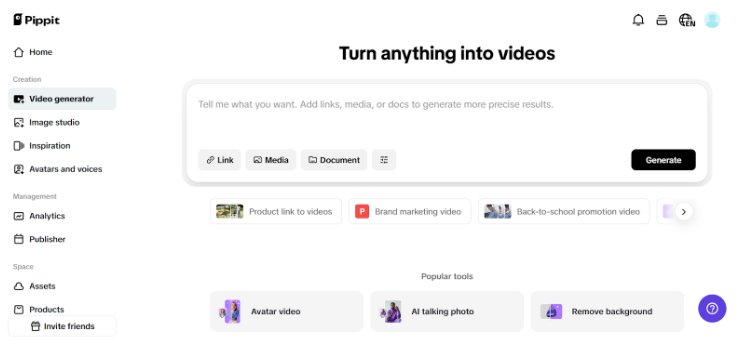
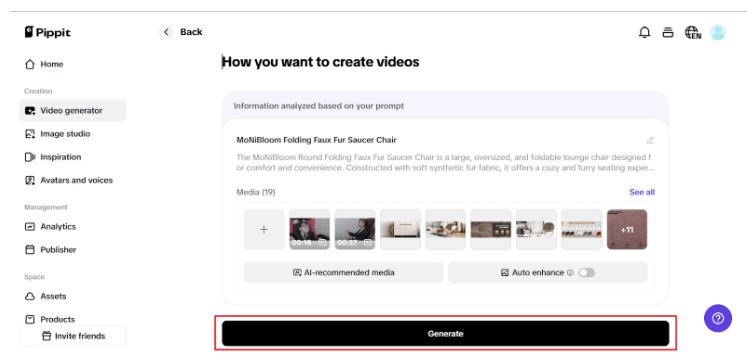
Let’s set the scene: you recently used Pippit’s AI photo to video tool to create a beautiful product video. The images are sharp. The pacing? Chef’s kiss. But now you’re exporting it for three new markets. Do you translate the voiceover — and give it a local accent? Or keep your original tone, quirks and all, in a new language?
This isn’t just a question of translation. Identity, connection, and if your video should sound like a narrator or a neighbour are all important considerations. In a world where brands try to be relatable and global, accents have become a battleground of authenticity versus accessibility. And yes, audiences have opinions.
Let’s debate the accent edit — and why getting it right might be the difference between a skipped ad and a loyal customer.
When keeping it real wins hearts
There’s a reason why subtitles are so much more popular than dubbed versions: the original voice has tone, emotion, and style that can’t be replicated. And sometimes, that’s more important than flawlessly localised speech.
Why you may still want to preserve the original accent (even in translation):
-Brand personality remains consistent: Your initial voiceover might have a friendly, assertive, or playful tone that characterizes your brand. Replacing it with a generic or unknown voice can dull the atmosphere.
-Audience hungers for global sophistication: In much of the world, audiences are accustomed to — and eager for — hearing foreign accents. A soft foreign accent can connote worldliness, imagination, or sophistication.
-Voice recognition engenders trust: If your voice talent, founder, or influencer is an extension of your brand, having their voice swapped out may confuse or alienate.
Imagine it as a signature fragrance: alter it, and individuals ask if it’s actually you.
When localization makes your message in ad campaigns
Conversely, when it comes to selling a product or providing an explanation in a brief 15-second video, clarity is crucial. And a voice that sounds familiar is the best way to convey clarity. The following justifies the potential value of localising voiceover with regional accents using Pippit’s ad maker:
-Cuts down on processing time: Understanding is accelerated by a familiar accent, particularly when listening to fast-paced or non-native speakers.
-Establishes rapport right away: Hearing someone who’sounds like me’ makes you more relatable and trustworthy, especially in societies that place more importance on community than flash.
-Improves accessibility: Some viewers struggle to understand odd cadences or subtitles. Clear and localised voice-overs fill that gap.
-This is how ad producers increase clicks: Several of the best advertising campaigns change their accents based on audience information. A local voice feels like it’s talking to you, not at you.
In short: when your goal is a fast, easy connection, a tailored accent can do heavy lifting.
What about accent-neutral voices?
It’s interesting to see that some companies aim for a worldwide middle ground that incorporates distinctive, recognisable, and accent-neutral voices. This works well for tech explainers or product demos where intelligibility is more important than character.
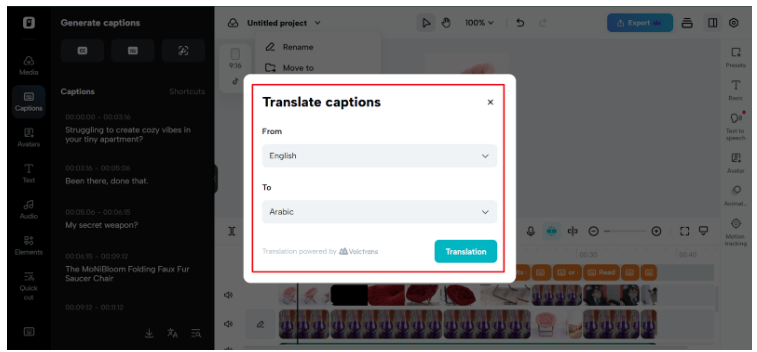
If you’re using a free online video language translator, you’ll often get access to these accent-neutral voices by default — and while that works in some contexts, it’s not always ideal for emotional storytelling or high-impact ads.
Why voiceover translation isn’t one-size-fits-all (and never was)
Let’s debunk the myth: just because two markets speak the same language doesn’t mean they hear it the same way. An English-speaking audience in Kenya won’t respond exactly like one in the UK. A Spanish voiceover that lands in Madrid may flop in Mexico City. That’s because voiceover translation isn’t just about words — it’s about culture, context, and delivery.
Here’s the twist:
-Even within a single language, tone, rhythm, and vocal energy need tuning.
-A Gen Z audience on TikTok might love a fast-talking, slang-laced narrator.
-But that same voice might seem chaotic on a formal B2B explainer.
And while your sleek skincare brand ad may sound perfect with a soft French accent, your action-packed app demo might demand sharper, punchier diction.
-Instead of treating voiceover like a checkbox task, treat it like wardrobe styling for your brand’s voice.
-Same script, different outfit — depending on where and how it’s showing up.
With Pippit’s tools — like multilingual voice styles, preview playback, and accent options built into its free online video language translator — creators can match voice to mood, market, and moment. The better the fit, the stronger the connection.
Don’t forget about tone
Accent is just one layer of voice. Tone matters just as much. Whether you’re delivering calm reassurance, loud excitement, or deadpan sarcasm, make sure your translated voiceover matches the emotional intent of your original.
And if you’re using a voiceover with a different accent, train your ear for tonal mismatch. A chipper British narrator might not suit a sultry Spanish product line, and vice versa.
Make your brand a good listener, too
At the end of the day, this isn’t just about sound. It’s about listening to your audience. If your French customers prefer crisp Parisian over Québécois, or your Malaysian followers love Singlish-inflected English, that’s a signal worth hearing.
Survey your audience. Conduct A/B testing. Examine the rates of retention for various voice patterns. Then, rather than choosing what seems cheapest or easiest, make decisions based on data.
The goal of localisation is to appear in ways that are authentic, comfortable, and familiar rather than to lose oneself.
Final word: accent with intention
You’re not just choosing a voiceover. You’re choosing how your brand sounds in someone’s ear. And when that someone is halfway across the world, tone, accent, and authenticity matter even more.
Luckily, Pippit makes that choice easier. Whether you’re going for real, local, neutral, or custom, you can preview, test, and translate all in one place. From AI photo to video generation to multilingual voiceovers, it’s a global toolkit for creators who care about details.
So go ahead — speak their language and their vibe. Use Pippit to give your videos a voice that fits, wherever they land.