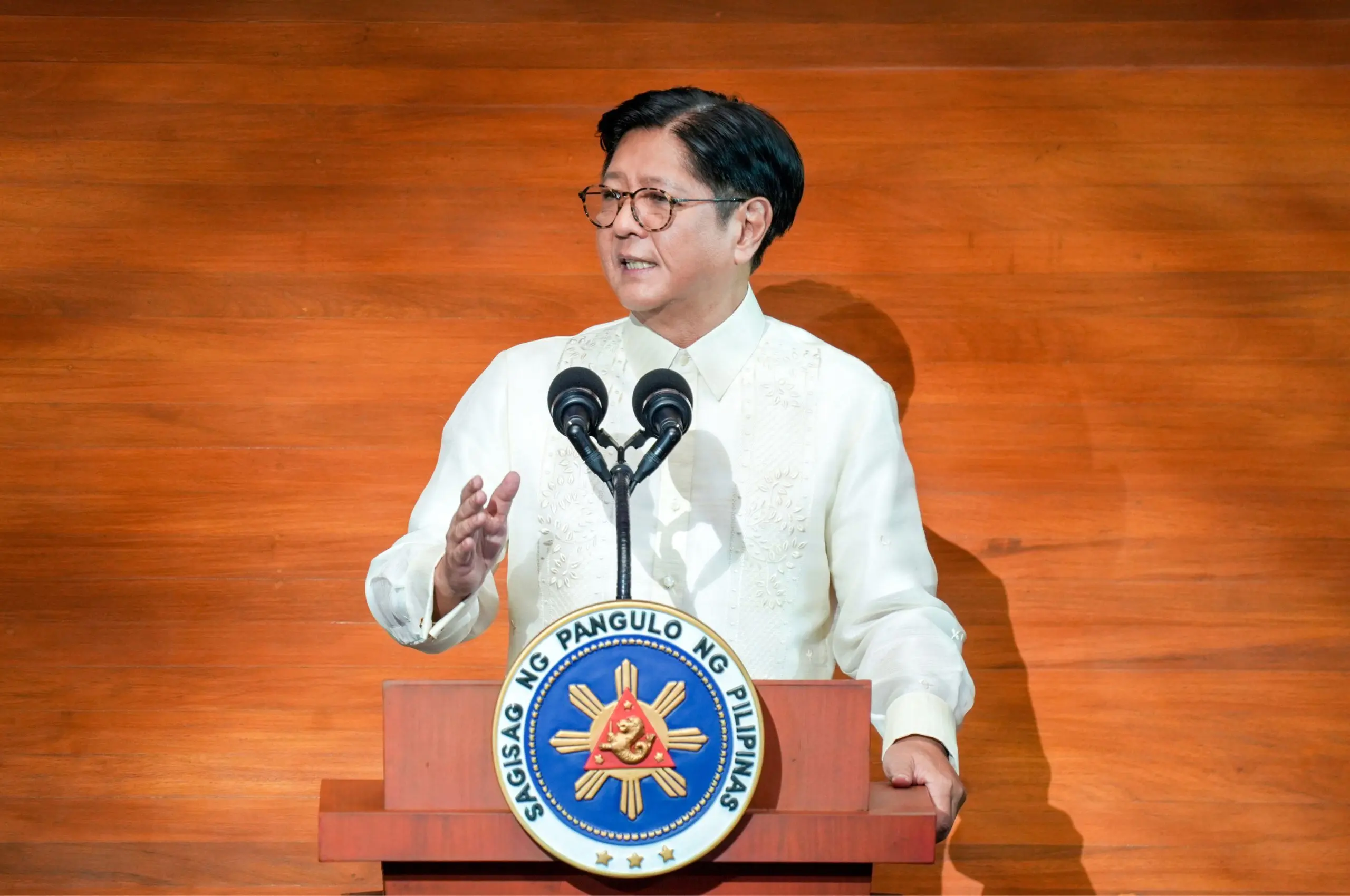
MANILA, Philippines — Nabigo ang ikalimang State of the Nation Address ni Pangulong Ferdinand Marcos Jr. na tugunan ang climate crisis, mapanirang pagmimina at kalagayan ng mga komunidad na nanganganib dahil sa patuloy na pagpapalawak ng fossil fuel infrastructure, ayon kay San Carlos Bishop Gerardo Alminaza.
“President Ferdinand Marcos Jr. spoke about electricity prices, petroleum service contracts, hydrogen projects, and nuclear energy. He did not address the climate crisis, destructive mining, or the communities threatened by the continued expansion of fossil fuel infrastructure,” pahayag ni Alminaza, na siya ring pinuno ng Caritas Philippines.
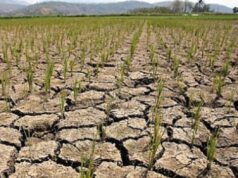
Sinabi niyang mahirap tanggapin ang hindi pagbanggit sa mga naturang isyu habang patuloy na dinaranas ng mga Pilipino ang mataas na singil sa kuryente, mas malalakas na bagyo, baha, tagtuyot at pagkawala ng mga sakahan, palaisdaan at kabuhayan.
“For millions of Filipinos, the environmental crisis is no longer merely ecological. It is economic, social, and deeply human,” dagdag niya.
Tinanggap naman ni Alminaza ang panawagan ni Marcos na alisin ang system loss charges sa electricity bills.
“Consumers should never have been made to pay for losses they did not cause,” ani Alminaza.
“But this is a demand they have raised for decades. It cannot be presented as a sufficient response to the energy crisis.”
Ayon sa obispo, lalo pang nagpapabigat sa mga konsumer ang mataas na generation cost at pagdepende ng bansa sa imported coal at gas.
“Under the Electric Power Industry Reform Act, these costs are passed on to consumers while power companies are shielded from fuel price increases and supply disruptions.”
Iginiit ni Alminaza na hindi dapat limitado sa pag-aalis ng system loss charges ang pag-amyenda sa Electric Power Industry Reform Act, kundi kailangang baguhin ang buong policy at regulatory framework ng sektor ng kuryente.
“After 25 years, the law has not delivered affordable and reliable power. It has increasingly treated electricity as a commodity for private profit rather than as an essential public service and a common good,” aniya.
Sinuportahan naman niya ang pagpapalawak ng rooftop solar systems at battery storage sa ilalim ng panukalang Sariling Kuryente Act.
“The proposed Sariling Kuryente Act could help families and communities produce their own electricity, particularly during disasters and power interruptions,” ani Alminaza.
“This is where public investment, regulatory reform and political leadership should be directed.”
Gayunman, nagbabala siya na mawawalan ng saysay ang hakbang kung patuloy na isusulong ng administrasyon ang maruruming pinagkukunan ng enerhiya, fossil gas infrastructure at nuclear power.
“Fossil gas is not clean energy. More gas terminals and power plants will deepen dependence on imported fuel, expose consumers to unstable prices, and lock the country into decades of continued fossil fuel use,” sinabi niya.
Dagdag ni Alminaza, hindi praktikal na solusyon sa kasalukuyang krisis sa kuryente ang nuclear power dahil sa mataas na gastos at mga usapin sa kaligtasan, radioactive waste, pampublikong utang at pananagutan. Dave Baluyot