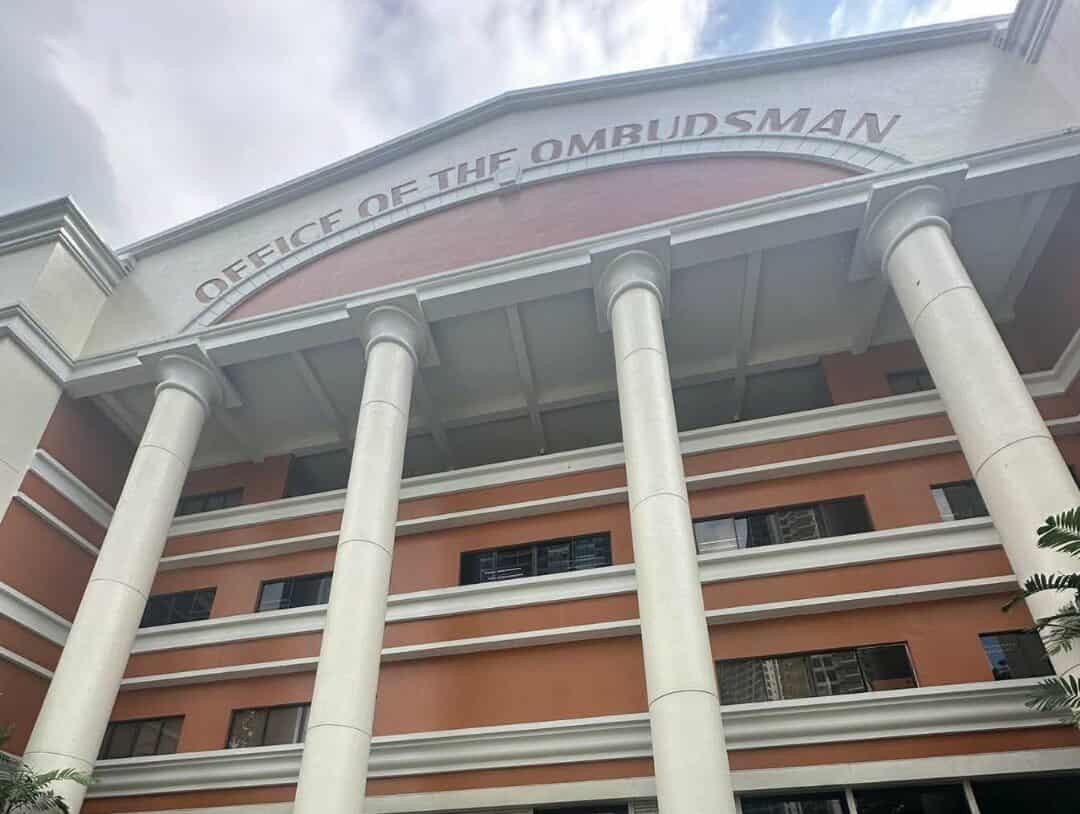
MANILA, Philippines – Hindi ipinresenta ni Batangas First District Rep. Leandro Leviste ang kumpletong set ng computer files ni dating Department of Public Works and Highways (DPWH) Undersecretary Maria Catalina Cabral sa Office of the Ombudsman, ayon kay Assistant Ombudsman Mico Clavano nitong Lunes, Disyembre 29.
Nag-isyu ng pahayag si Clavano bilang tugon sa sinasabi ni Leviste na ipinakita niya ang umano’y “Cabral files” kay Ombudsman Jesus Crispin Remulla bago pa ang pagkamatay ni Cabral noong Disyembre 18.
“After Congressman Leviste publicly claimed to possess the complete list in the supposed Cabral files, investigators from the Office of the Ombudsman approached him as a matter of prudence and diligence while former Undersecretary Cabral was still alive and was already represented by counsel at that time,” ani Clavano.
“During this engagement, Congressman Leviste presented only limited portions of the list, responsive, in fairness, to specific inquiries. However, he did not present the entire set of files he claimed to possess, even when asked to do so,” dagdag pa nito.
Aniya, salungat ito sa mga pahayag ni Leviste na nagsasabing ang buong “Cabral files” ay naipakita na o nasuri na ng Ombudsman.
Samantala, sinabi ni Clavano na nasa kustodiya na ng Ombudsman ang CPU ng personal computer ni Cabral at naghahanda na ito para sa forensic examination.
“The Office considers this a critical development as it allows the investigation to proceed on the basis of an original digital piece of evidence,” aniya.
“The Office is preparing to conduct a digital forensic examination of the former undersecretary’s CPU. This will be done transparently and in coordination with the Commission on Audit, the DPWH, the Office of the Ombudsman, and the Philippine National Police Anti-Cybercrime Group,” sinabi pa ni Clavano.
“This is to ensure the integrity of the entire process,” dagdag pa.
Iginiit ni Clavano na ang “Cabral files” ay hindi ang nag-iisang batayan ng imbestigasyon ng Ombudsman sa maanomalyang flood control projects at sinabing ang mga file na ito ay isasailalim pa sa beripikasyon at susuriin sa posibleng manipulasyon.
“The Office of the Ombudsman has been approached by multiple sources claiming to possess copies of the supposed Cabral files. These claims underscore the importance of distinguishing between original evidence and secondary or third-party copies.”
Aniya, ang pinaka-reliable na source ng mga dokumento ay ang mga ahensya o indibidwal na nagmamay-ari, kumukontrol at may authorship sa naturang mga kompyuter, storage device at files.
“Evidence derived directly from these sources naturally carries far greater evidentiary value than copies circulating outside official custody,” ani Clavano.
“The Cabral files are only one part of the investigation. Alleged insertions that supposedly appear in these files still need to be carefully examined to determine whether the projects were actually implemented or if they turned out to be ghost projects,” sinabi pa ni Clavano.
Sinabi rin ng opisyal na ang fund insertion mismo ay hindi awtomatikong illegal.
“It becomes criminal only if it is proven to involve fraud, misuse of public funds, or non-existent projects.”