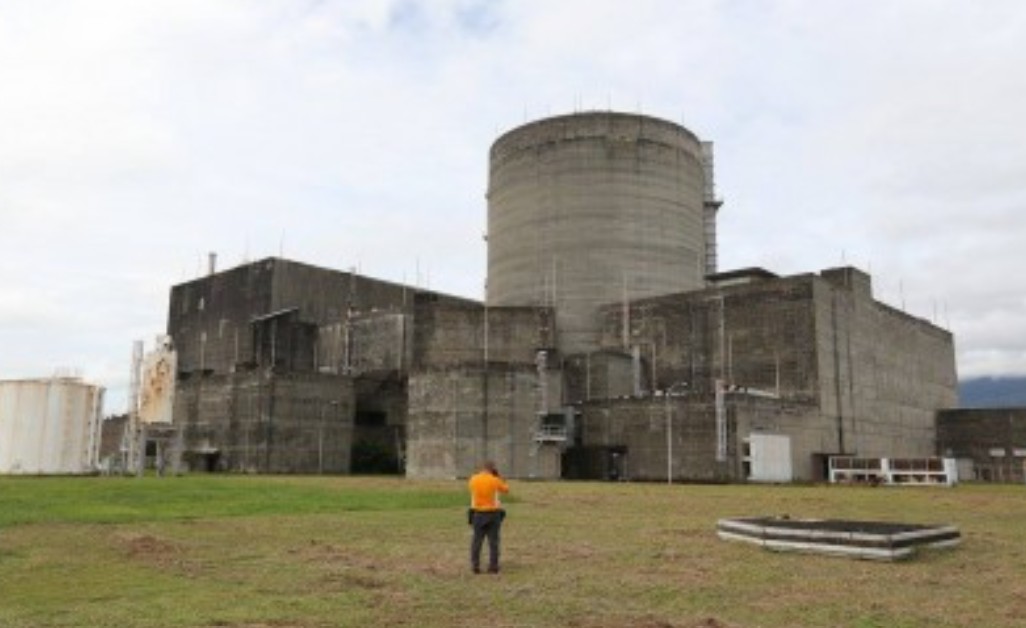
MANILA, Philippines – MASUGID ang International Atomic Energy Agency (IAEA) na tulungan ang Pilipinas na tukuyin ang tamang sistema at teknolohiya para suportahan ang nuclear energy ambitions nito.
Sa pagsasalita sa sidelines ng International High-Level Forum on Nuclear Technology (NUTEC) Plastics sa Pasay City, tinukoy ni IAEA Director General Rafael Mariano Grossi ang mga alternatibo at mas bagong nuclear technologies na lampas sa power plants, kabilang na ang small modular reactors (SMRs), na maaaring gamitin ng mga bansa gaya ng Pilipinas.
“[W]e are going to establish mechanisms for further cooperation between our technical experts and the experts here, so we can make this more systematic in a certain sense and see what is more adaptable, what kinds of reactors would be eventually more adaptable to a situation like the one you have here,” anito.
Si Grossi, nag-courtesy call kay Pangulong Ferdinand R. Marcos Jr. noong Martes, nagsabi na si Pangulong Marcos ay “very enthusiastic” hinggil sa nuclear energy, na nagbigay sa bansa ng patas na kalamangan kapag nakamit nito ang target na isama ang nuclear sa energy mix nito sa 2032.
“He’s aware of the new developments, small modular reactors, different alternatives that exist there. This, I think, is an excellent basis because in some other countries, technical people have to inform their political decision makers,” ang sinabi ni Grossi.
“Here, I think you have a president that knows a lot about that. So the conversation was very substantive, I would say,” dagdag pa niya.
Layon ng Pilipinas na magkaroon ng commercially operational nuclear power plants sa 2032, na may 1,200 megawatts na paunang papasok sa power mix ng bansa para unti-unting tumaas hanggang 4,800 megawatts sa 2050.
Bukod dito, sinabi ni Grossi na ang IAEA ay “fully committed” para suportahan ang Maynila sa pagsasaliksik ng “wider peaceful applications” ng nuclear science, kabilang na ang pagtugon sa plastic pollution.
Sa kabilang dako, pinangunahan nina Grossi at Pangulong Marcos ang pagbubukas ng two-day high-level gathering, dahilan para magsama-sama ang mga ranking officials at foreign investors upang suriin kung paano ang nuclear science at radiation technologies ay maaaring suportahan ang mga bansa sa pagre-recycle ng napakahirap na plastics.
Samantala, ang Pilipinas ay isa sa siyam na pilot countries na nangunguna sa pag-aaral ukol sa radiation-enabled plastics upcycling at nakatakdang ipakita ngayong Nobyembre 26 ang Post-Radiation Reactive Extrusion (PREx) Prototype House.
“The PREx project, led by the Department of Science and Technology–Philippine Nuclear Research Institute (DOST-PNRI), uses electron beam irradiation to modify the polymer structure of mixed and low-value plastic waste, which can then be processed into tiles, bricks and structural panels,” ayon sa ulat.
“The PREx Prototype House, a first-of-its-kind structure located at the PNRI compound in Quezon City, is designed as a typical Filipino residence and will be used as a live testbed for environmental exposure, structural performance and long-term degradation studies,” ayon pa rin sa ulat.
Sa kaparehong kumperensya, nilagdaan ni Grossi ang bagong kasunduan kasama ang Asian Development Bank (ADB) na magpapalakas sa technical understanding ng nuclear power ng huli.
Sinabi pa ni Grossi na matutulungan ng kasunduan ang mga bansa sa rehiyon na ma-access ang financing at expertise upang matugunan ang kanilang energy demand na may nuclear power. (Kris Jose)