ISANG dating opisyal ng World Health Organization ang nanawagan para sa bagong approach sa tobacco harm reduction sa Asia-Pacific, kung saan nananatiling pinakamataas sa mundo dahil sa malaganap na paninigarilyo.
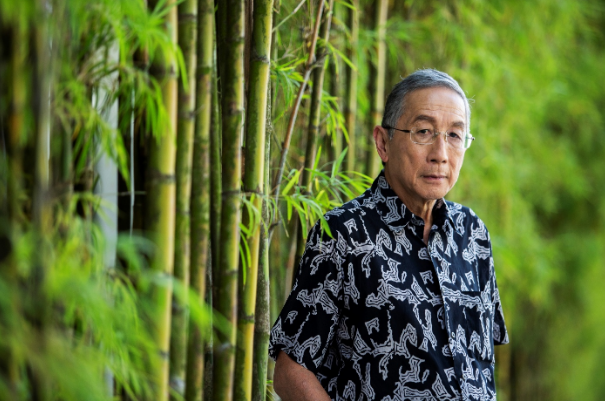
Si Professor Tikki Pang, isang senior global health consultant para sa Center for Healthcare Policy and Reform Studies sa Jakarta at dating Director ng Research Policy and Cooperation sa WHO, nagsalita sa webinar na hinost ng Asia Forum on Nicotine (AFN) noong Aug. 17. Ang event, “ The WHO FCTC, 20 years on,” sinuri ang tobacco control efforts at ang hinaharap ng harm reduction sa rehiyon.
“The fact is that Asia-Pacific, specifically Asia, has the highest number of global tobacco users. The number is staggering. It is 781 million people. That represents 63 percent of the global total of people who use tobacco,” ang sinabi ni Nancy Loucas, executive coordinator ng Coalition of Asia-Pacific Tobacco Harm Reduction Advocates.
Sinabi ni Loucas na ang provisional agenda para sa nalalapit na WHO Framework Convention on Tobacco Control conference sa Nobyembre ay nagkamaling binalewala ang harm reduction bilang isang ‘tobacco industry narrative.’
“Despite the fact that Article 1 of the convention implicitly includes harm reduction as a component of tobacco control, there is a failure to acknowledge and support the use of safer alternative tobacco products as an important strategy and tool to end smoking,” ani Pang.
Idinagdag pa nito na ang posisyon ng WHO ay salungat sa ebidensya.
“Despite the overwhelming evidence of the safety, efficacy and cost-effectiveness of these products, and the fact that 130 million people are actually using these safer alternatives, the WHO, FCTC and the COP have adopted a very strong anti-tobacco harm reduction stance, actually stating that these products are as harmful as combustible cigarettes and calling on its member states to ban them and actually giving awards to countries which have done so,” ang lahad ni Pang.
Ang FCTC na naging epektibo noong 2005 ay binigyang-kredito sa pagtulong na maiwasan ang milyon-milyong pagkamatay sa buong mundo, subalit batid ni Pang ang mga limitasyon nito.
“The Asia-Pacific region bears a very significant burden of these harmful effects of smoking,” anito.
Sa kabilang dako, nasa 8 milyong katao ang nananatiling namamatay taon-taon mula sa smoking-related causes, karamihan mula sa low- at middle-income countries.
Sa halip na hintayin ang WHO na baguhin ang posisyon nito, ang mungkahi ni Pang, ang harm reduction advocates sa Asia-Pacific ay lumikha ng ‘independent, evidence-driven platforms’ ng stakeholders, kabilang ang mga ‘producers, consumers at investors.
Tinukoy ang International Federation of Pharmaceutical Manufacturers and Associations bilang isang posibleng huwaran.
“In the years that I’ve become a supporter for tobacco harm reduction, and aside from the overwhelming scientific evidence of its value and benefits to health and smoking, I have been struck by the support the cause has received from many quarters, senior former colleagues at the WHO, highly respected academics and professional societies, physicians on the front lines, civil society, consumer groups, and of course, industry,” ani Pang.
“Reflecting on that, I sometimes wonder, we can’t all be wrong. The second reflection comes from Alex Wodak in Australia, and I quote Alex, ‘WHO’s position on this issue is now as irrelevant as the position of governments in Eastern Europe and the Soviet Union in the 1980s on the future of central command economies. WHO’s position will collapse at some point, but I don’t know when,'” ang dagdag na wika nito.