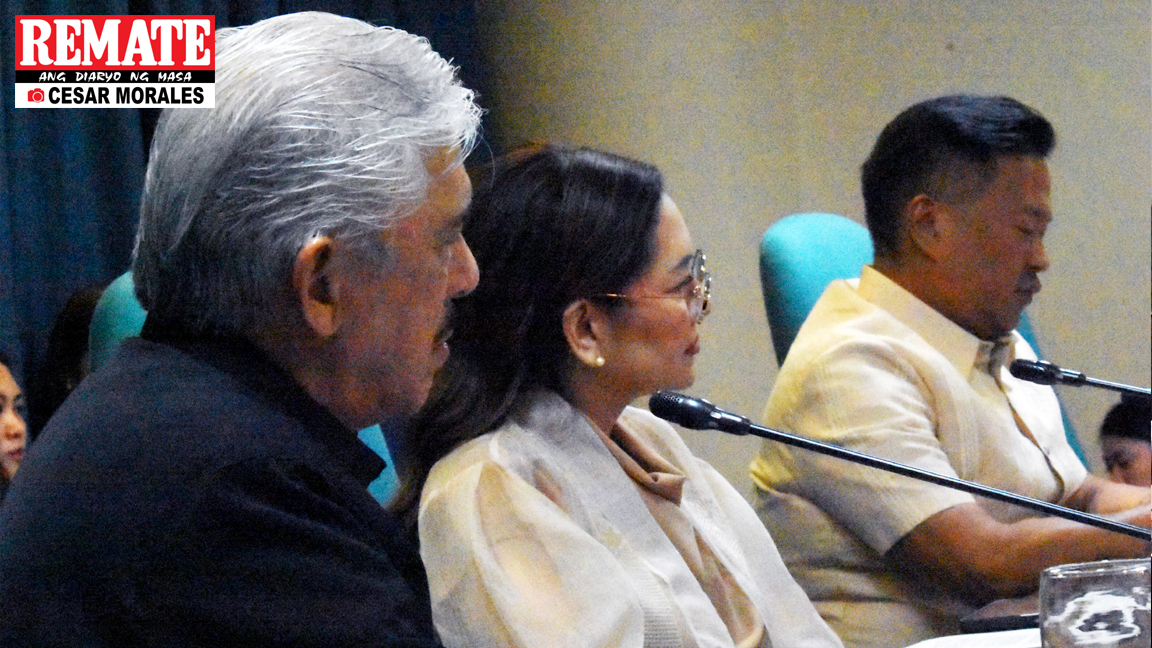
MANILA, Philippines – Inabuso ng pulitiko sa pakikipagsabwatan ng Commission on Elections (Comelec) ang partylist system dahil hindi naman lahat kumakatawan sa “marginalized sector” na nakatakda sa batas, ayon kay Senate President Vicente Sotto III.
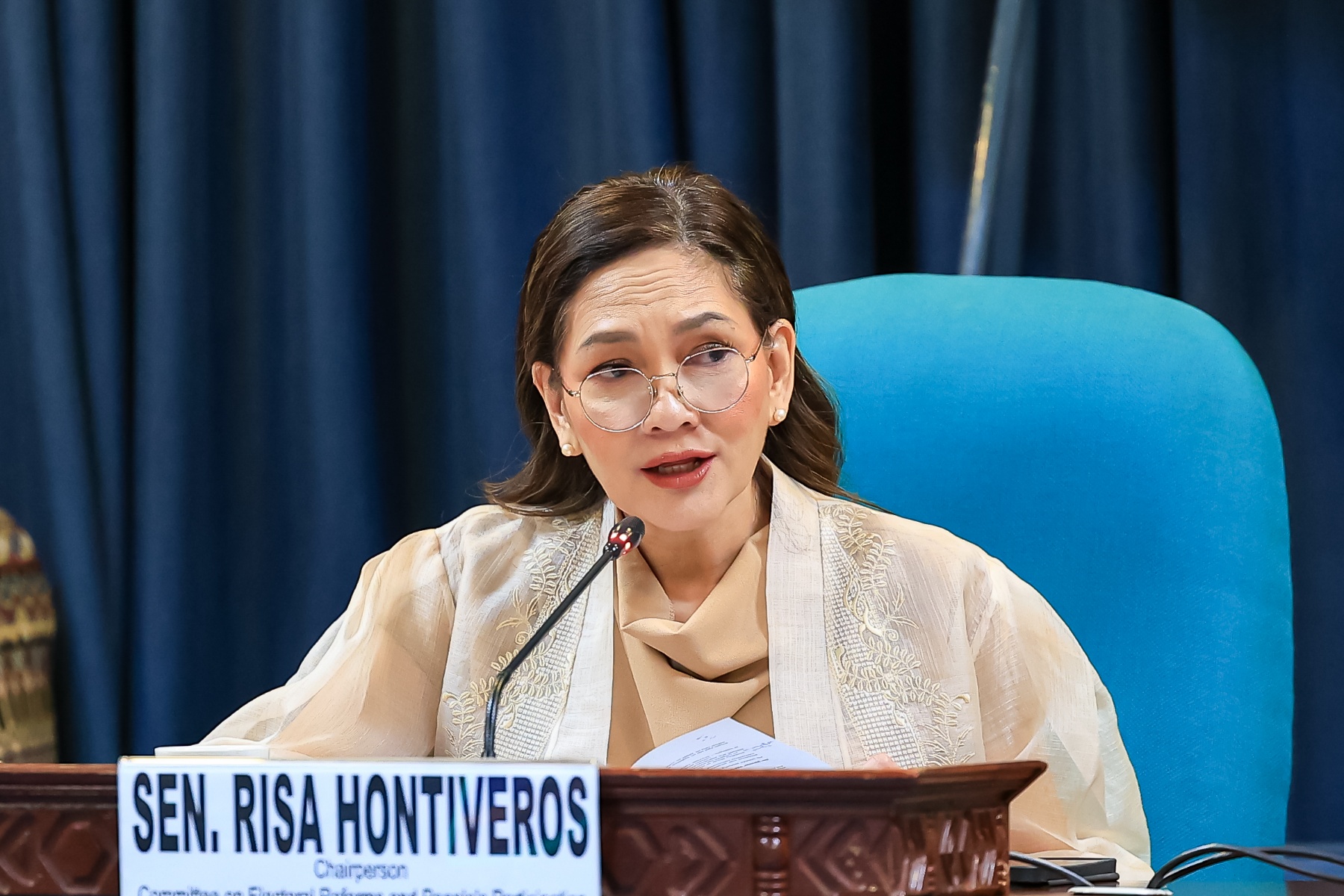
Sa pagpapatuloy ng pagdinig ng Senate committee on electoral reform hinggil sa Party List Reform Bills na pinamumunuan ni Senador Risa Hontiveros, sinabi ni Sotto na kailangan nang mas espisipiko ang batas upang maiwasan ang “misinterpretation” at tiyakin na kinakatawan ang genuinely marginalized sectors.
“I am very much concerned about the way the party-list system has evolved… I was very disappointed even up to now on how it has been misinterpreted and how it was abused,” ayon kay Sotto.
Sina Sotto at yumaong Senador Raul Roco ang nagtulong upang miapasa ang RA 7941 noong 1995 pero simula noon, hindi masyadong nakatawan ang tunay na marginalized sector kundi naging sandata ng pulitiko at dinastiya na manatili sa puwesto.
“The law must clearly define who truly belongs to marginalized sectors, noting that some groups with existing political representation have been allowed to qualify under the system,” ani Sotto.
Nanawagan din si Sotto sa Comelec na mahigpit na ipatupad ang 2% vote threshold at tiyakin na tanging sektor lamang na kinilala ng batas tolad ng paggawa, magsasaka, mangingisda, urban poor, indigenous peoples, elderly, persons with disabilities, women, at kabataan ang mabibigyan ng party-list representation.
“The proposed consolidated measure should revisit the original Senate deliberations in 1995 to restore the intended purpose of the party-list system,” giit ng lider ng Senado.
Kaugnay nito, inihayag naman ni Hontiveros na ilang dekada ang nakalipas, hindi akmang nagkaroon ng kinatawan ang tunay na sektor na nakatakda sa batas kaya’t kailangan nang magkaroon ng reporma.
Aniya, kailangan malinaw na tutukuyin ng batas ang marginalized sector o kung kailangan ang proportional representation mechanism para sa political parties o naturang sektor.
“Several proposals seek clearer classifications—political parties on one side, sectoral organizations on the other. Others argue for reserving space for marginalized groups. We need to determine whether the law should draw sharper lines, and if so, how,” aniya.
Kailangan din umanong maglagay ng probisyon upang maprotektahan ang integridad ng partylist system.
“Concerns have been raised about dynastic substitution, government contractors, and entities that may not genuinely represent the sectors they claim. Strengthening evidentiary requirements and disqualification rules is one response. We must examine what is constitutionally sound and practically enforceable,” aniya.
Itatakda din umano ng panukala ang pamantayan upang matiyak na makatotohanan ang kinatawan ng partikular na sektor sa Kongreso.
“Anong mga standard ang magseseguro sa authenticity?Membership requirements, nominee qualifications, substitution rules, and transparency in registration all go to the credibility of the system,” aniya.
Dapat din umanong masagot kung nagsisilbi sa bamsa ang electoral formula.
“The 2% threshold, the seat cap, and the method of allocating the constitutionally mandated 20% of House seats have all been shaped by both statute and jurisprudence. It may be time to revisit whether the current mechanics produce fair and proportional outcomes.”